
Rappahannock County Deed Records at a Glance
In Rappahannock County, a recorded deed documents the conveyance described in the instrument itself. The index helps you locate the document. But it is no substitute for reading it. Land records here can cover more than simple deeds. Deeds of trust, releases, easements, plats, boundary instruments, and court-related transfers all appear among them. The Clerk of Circuit Court maintains a searchable index and a copy process for these records. Treat any summary of instrument types as a starting guide to what may matter for a parcel. It is not a complete list of what the local system contains.
| Instrument | What It May Record | Research Use |
|---|---|---|
| Warranty or special warranty deed | A conveyance with the warranties stated in its text | Read parties, date, legal description, and exceptions |
| Quitclaim deed | A transfer of whatever interest the grantor conveys | Check the chain and the grantor's capacity |
| Deed of gift | A non-sale transfer described by the instrument | Compare it with probate, family, or prior title records |
| Trustee or executor deed | A fiduciary conveyance from an estate or trust | Find the related probate order or authority |
| Tax-sale special warranty deed | A conveyance after court-ordered tax-sale steps | Verify confirmation and later recording |
Not every land document transfers ownership. A deed of trust secures a debt, and a later certificate of satisfaction shows that the lien was cleared. An easement grants only a limited use right. The title is a clue, but the legal terms and recorded references control the reading.
Rappahannock's 1987 Index Cutoff
The online land index opens on January 5, 1987. It does not reach back to the county's founding. An empty result for an older deed proves nothing. Earlier transfers simply fall outside the digital window. Search the free index first for a book and page reference, then move to paper records or archival microfilm for anything older. The search screen and the image-access gate are separate steps. Plan for both. For a recent document, search by party name and narrow the recording period. Save each index reference as you walk the grantor and grantee chain. The Virginia SRA index is the public search route for current Rappahannock filings.
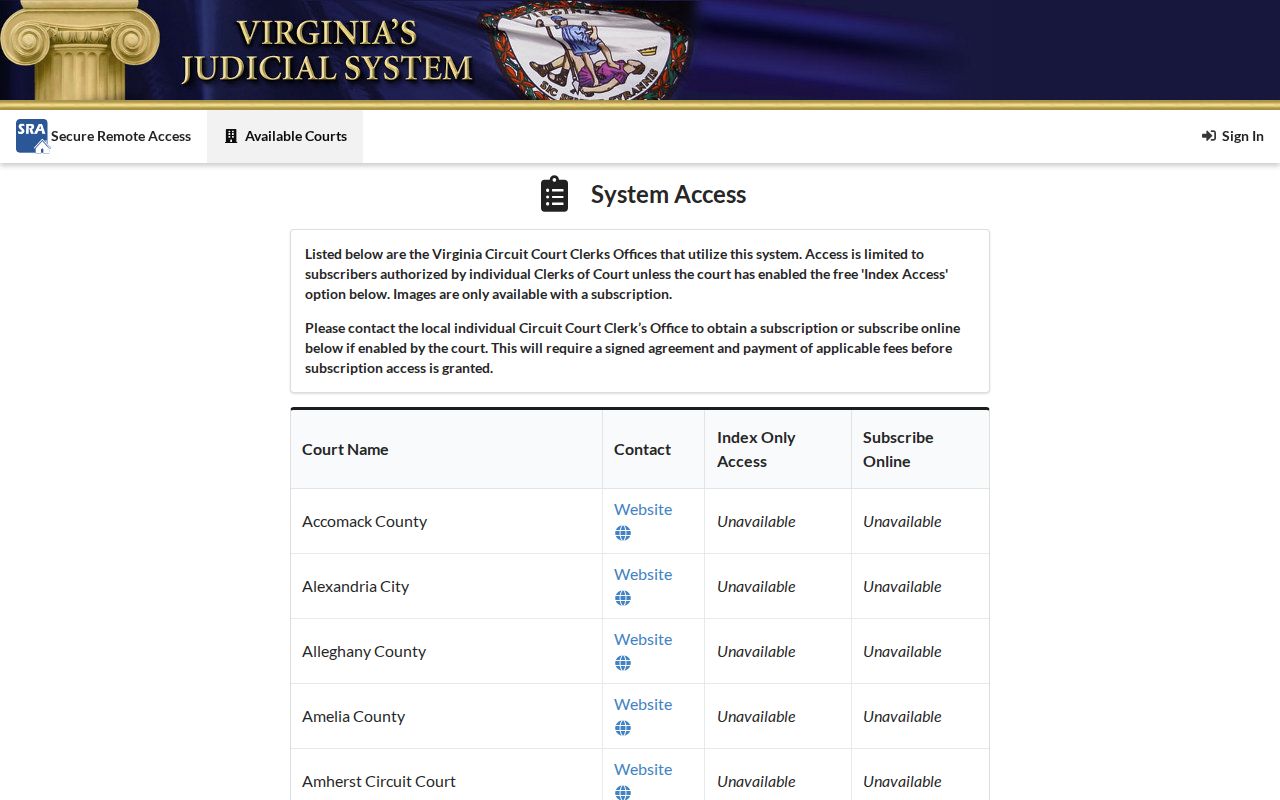
That boundary between index and image is central to planning a deed request.
Grantor and Grantee Names in Rappahannock
The SRA index is the online route to Rappahannock County land records. Coverage runs from January 5, 1987 forward. A grantor conveys the interest. A grantee receives it. Search both roles whenever a chain looks unclear. Test spellings, initials, entity names, and fiduciary capacity. Field labels on the portal change. Rely on its current instructions rather than a fixed layout.
- Search the current owner's exact name as grantee for the latest likely conveyance.
- Read the grantor, recording date, legal description, and prior instrument reference in the deed.
- Search that grantor as a grantee to find the earlier transfer, then compare parcel descriptions.
- At the online cutoff, continue in Clerk books or the LVA microfilm catalog.
- Grantor
- The party transferring the property, usually the seller.
- Grantee
- The party receiving the property, usually the buyer.
- Chain of title
- The ordered sequence of recorded transfers for a property.
- Book/page and instrument number
- Clerk identifiers used to locate a recorded document or copy.
Deed Books A Through M in the LVA Catalog
The Library of Virginia finding aid lists Rappahannock deed books starting with Book A, 1833 to 1834. It runs through Books B to L and later L/M material into 1871. Each catalog entry gives the reel and date span. Many are marked for interlibrary loan. That detail lets a researcher step from a modern chain to the next older book without guessing which volume to request. Rappahannock County was carved from Culpeper County in 1833. A deed dated before that formation may sit under Culpeper. So the right county shifts with the date of the land record. Old deeds often name a farm, stream, road, adjoining owner, or a long metes-and-bounds description instead of a modern street address. Capture every source deed an instrument cites and compare the calls before treating two parcels as one tract. The LVA Rappahannock catalog identifies the book and reel sequence.
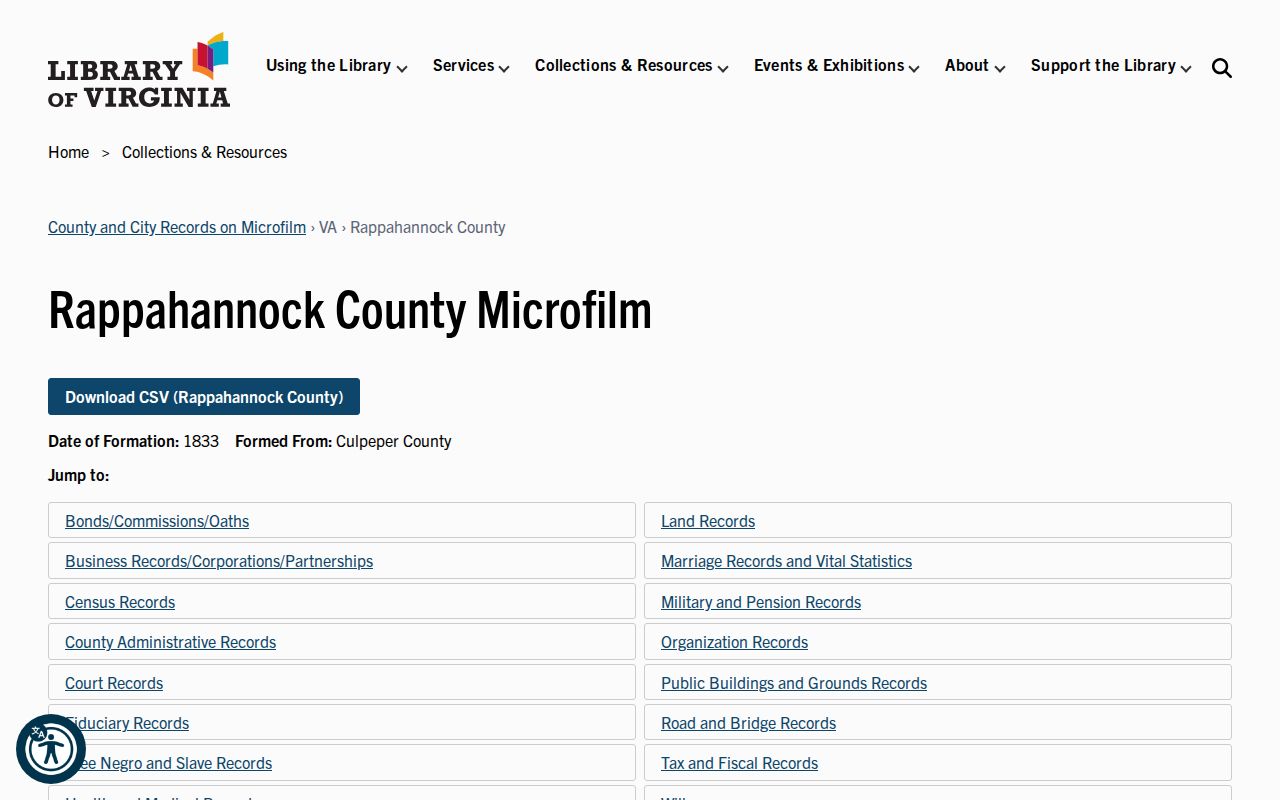
Deeds recorded before 1833 sit in Culpeper's records, so follow the source reference past the county line.
Chancery Books Explain Rappahannock Title Changes
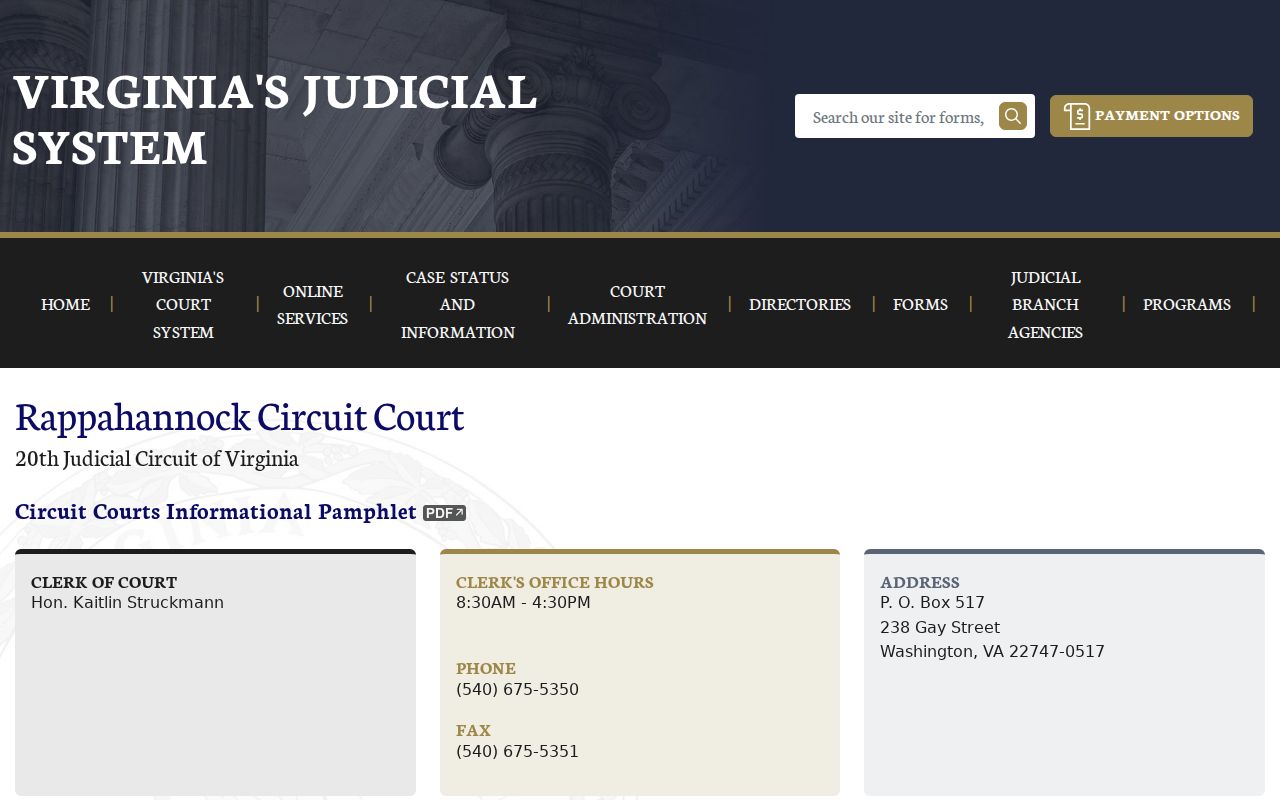
A deed chain can hide why a property passed from one party to another. The LVA catalog lists Rappahannock chancery order books from 1852 through 1895. Those volumes can illuminate partitions, estate disputes, boundary questions, liens, and court-ordered sales. A chancery order is not a deed. Yet it may explain why a later deed names a fiduciary or heirs. A special commissioner may appear as well. When a grantor is an executor or administrator, look for the probate qualification and the will. Then find the order authorizing sale and any resulting executor deed. If several heirs appear, search each name and role rather than assuming one owner. The Circuit Court Clerk holds the probate and land records. The LVA inventory works as a finding aid. Ask the Clerk which case or book reference you need for an inspection or copy. For an estate transfer, keep the court order with the recorded conveyance. Pair both in the chain. A death record adds context, but it does not transfer title. The Rappahannock Circuit Court page identifies the court that keeps local case and land-record services.
For case access beyond the local court, the Virginia Courts case-information landing page provides the statewide starting point.
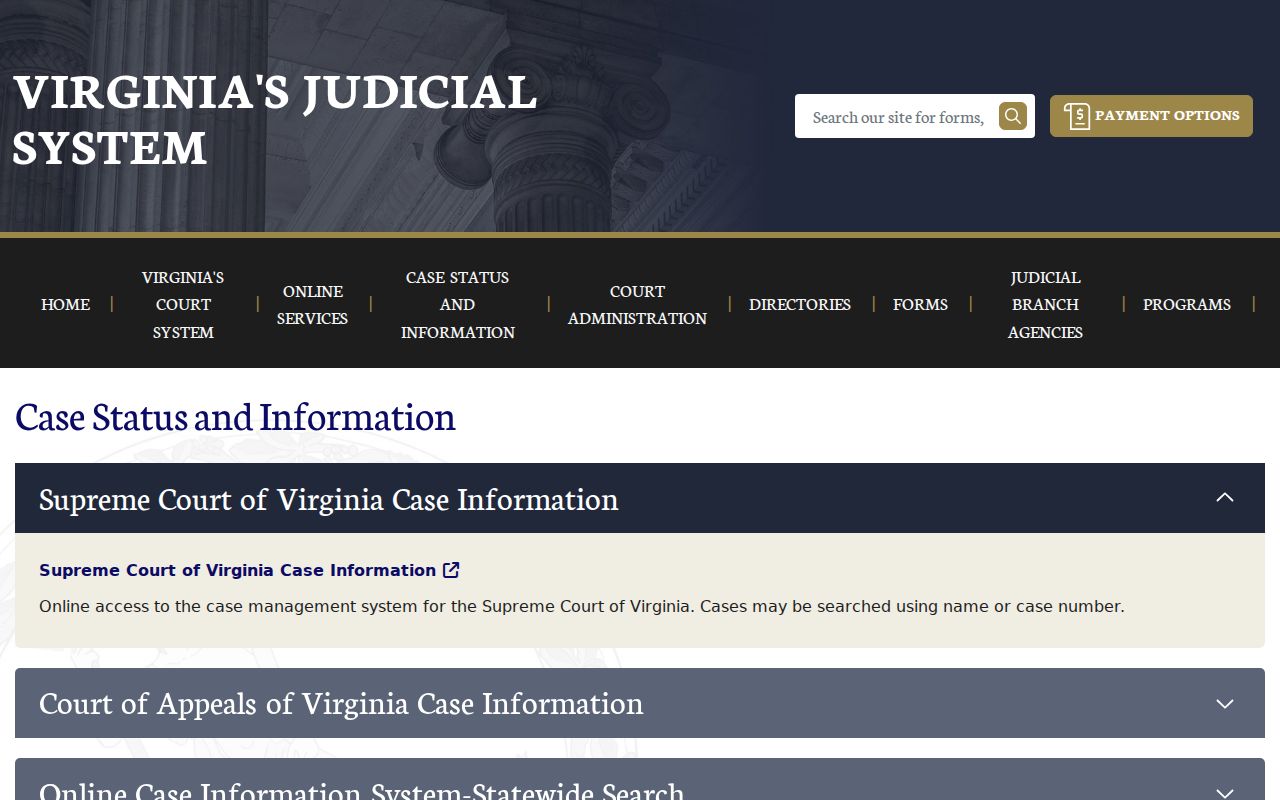
Keep the docket reference separate from the deed reference. Then ask the Clerk for the instrument that actually transferred the interest.
Rappahannock Tax-Sale Deeds Need Confirmation
A 2025 special commissioner notice from Rappahannock County shows how a distressed-property chain gets described. The auction ran under Circuit Court orders and Virginia Code § 58.1-3965 et seq. Its entries listed TM numbers, assessed names, legal descriptions, and source deed books and pages. Some pointed to Blue Ridge Mountain Estates, Route 600, Rush River tracts, or multiple heirs on older source deeds. Copying those references teaches a reader exactly what a deed search needs.
The sale date has passed. Remember that an auction notice is not a conveyance. The terms required court confirmation and allowed transfer by special warranty deed. The property was sold as-is and subject to recorded easements, covenants, restrictions, and other interests. Before relying on any later title change, find the confirmation order. Then find the deed that followed it. The notice itself urged bidders to get an independent title search.
Transcribe every TM#, book and page, acreage, route, river, and "less and except" phrase. Those clues keep an older tract traceable even when no current address is stated.
VADeed Alert for Rappahannock Owners
The Virginia Clerk offers VADeed Alert, a free voluntary notice service. Owners enroll a name or Tax Map/Parcel ID. They receive email notices of matching land-record activity. An alert confirms nothing about title or validity. It gives an owner a reason to review the instrument. That matters most when no new recording was expected.
Match your enrollment key to the deed, and keep the contact email active. Common names produce matches that need review. An empty inbox is not proof that nothing was recorded. Treat the service as one extra monitoring tool. The Clerk's land index and the instrument itself remain the source records for Rappahannock County deed records. The VADeed Alert enrollment page is the state's registration route.
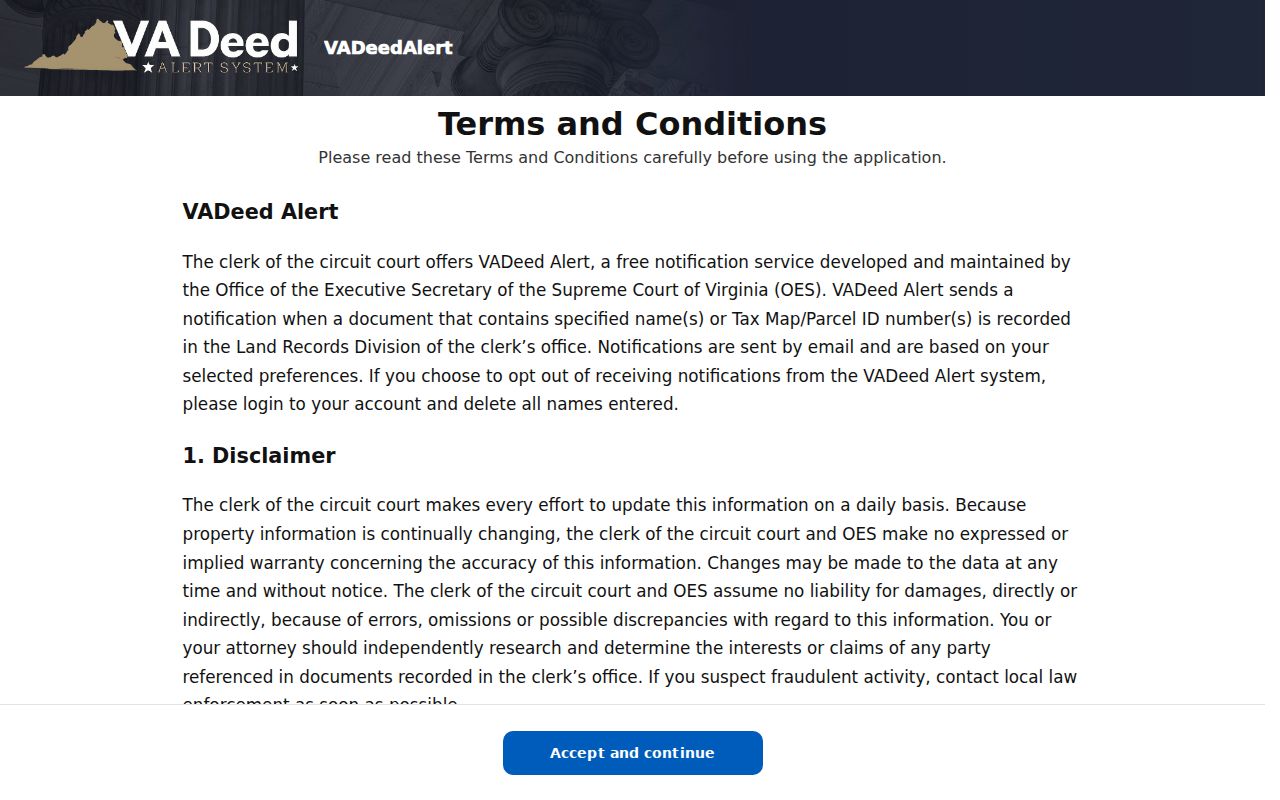
Review an alert against the public instrument before taking action.
Legal Descriptions in Rappahannock Deeds
A rural Rappahannock deed may describe land by acreage, an old road or stream, adjoining owners, a subdivision lot, or a prior deed reference. Tax-sale notices pile on "less and except" clauses and several source books in one description. Read the full text. A short street label will not carry that weight. The deed may still cite a parent tract even after a division receives a new TM#.
When a parcel seems to have changed shape, compare the current plat with the earlier deed and any resurvey, family division, subdivision, or boundary-line instrument. Note each easement, reservation, and exception as you go. A legal description links records together. But a map or transcription settles no boundary dispute. Only a qualified surveyor can mark the line from the controlling record, so rely on Rappahannock County property records for the paper trail and on a surveyor for the ground.
Requesting a Rappahannock Deed Copy
Start with the free Virginia SRA index, then decide whether an image or a paper copy is needed. Remote images call for a paid subscriber agreement. The published annual price is $600, paid in advance, with the application handled by mail or in person. A regular Clerk copy costs $0.50 per page when you supply the book and page or instrument number. Ask the Clerk about certification costs, current forms, payment, and mailing before sending anything.
The Clerk's office sits at 238 Gay Street, Washington, VA 22747, open weekdays 8:30 a.m. to 4:30 p.m., with recordation closing at 4:00 p.m. The phone is 540-675-5350. The published contact is kstruckmann@vacourts.gov. Include party names, a date range, and any index reference. The Clerk's page does not promise that an email with only an address can be searched. The Circuit Clerk's access page summarizes the county copy and subscription options for Rappahannock County deed records.
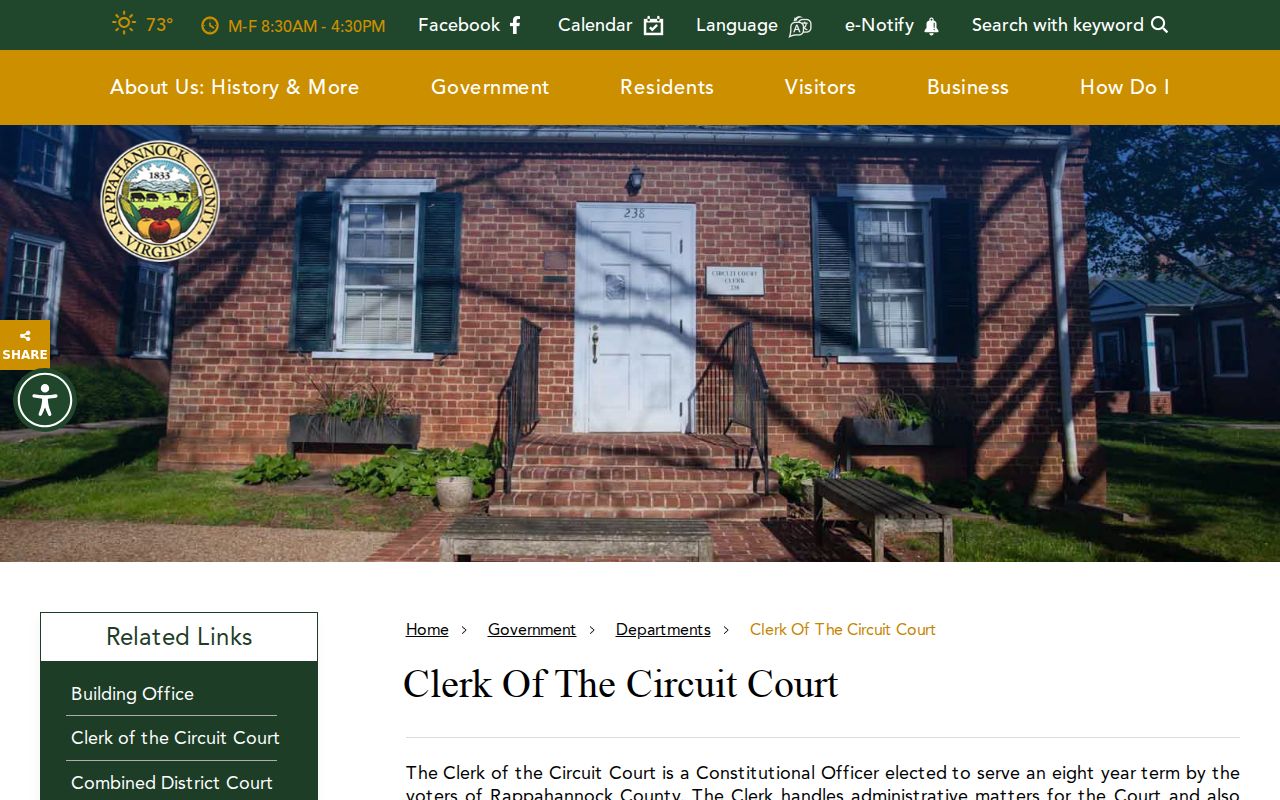
For an ordinary copy request, include the instrument number or book and page, plain or certified format, your return address, and a way for the office to reach you. Confirm the current form and payment before mailing. A narrow Virginia FOIA request can seek an existing non-exempt index or fee schedule. Still, the Clerk's regular procedure governs a deed copy in Rappahannock County.
Recorded, not guaranteed. A Rappahannock County deed index entry points to a filed instrument, not a title opinion. Review the full chain and recorded exceptions with a title professional before relying on ownership.